What's happening to protein worldwide
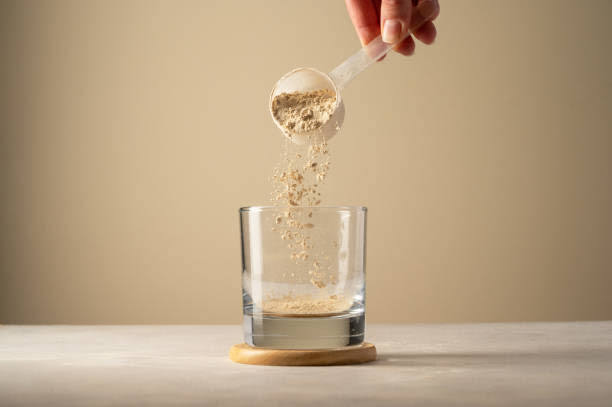
Something odd has been going on in the protein market over the past few months, and I think it's worth knowing about. The price of whey powder in Europe has climbed to about €1,700 a ton — the highest ever recorded, and more than 50 percent higher than at the start of the year.
The main reason may surprise you: GLP-1 weight-loss drugs. About 12 percent of people in the United States are taking them, and they're usually told to eat plenty of protein — both to hold on to muscle while losing weight and to stay full. US demand has soared, American producers can't keep up, and buyers worldwide are scrambling for what's left in Europe.
Industry estimates suggest supply won't ease significantly before the end of 2026.
And why Israeli shelves are empty right now
At the same time, for a completely different reason, Israeli fridges are looking bare too. A logistics breakdown at Tnuva, Israel's largest dairy company, disrupted the packaging and distribution of cottage cheese, and it snowballed from there — to white cheese, yogurt, butter and milk.
What turns a one-off glitch into a widespread shortage is market concentration. Tnuva accounts for about 75 percent of cottage cheese sales and about 87 percent of the butter market. When one producer is that dominant and runs into trouble, there's nowhere else to turn.
It also explains what you're noticing at the checkout: price-controlled products have stayed fairly stable, while everything else keeps going up. Local butter has risen about 23 percent in five years, and imported butter about 75 percent.
Anyone who remembers Israel's 2011 cottage cheese protest will recognize the pattern. Fifteen years on, the market is even more concentrated.
What this means for you
In practice, two trends are colliding in your shopping cart: protein is getting more expensive worldwide, and the cheap, everyday sources of protein here — cottage cheese, white cheese, yogurt — are missing from the shelves.
You could rush out and buy protein powder. I'm in no rush to. Price aside, recent tests found traces of heavy metals — lead in particular — in some commercial protein powders. That doesn't mean every powder is a problem, but it does mean it's worth choosing carefully and not making it the backbone of your diet.
How I get enough protein without powder
The good news is that most of what you need is already in your kitchen — and most of it is far cheaper than the commercial alternatives:
- Legumes. Lentils, chickpeas and beans. One stew at the start of the week gives you a base for several meals.
- Raw tahini. A teaspoon or two adds protein and calcium to almost any dish, savory or sweet.
- Eggs. Still the most accessible, complete source of protein in your fridge.
- Tofu and soybeans. They soak up whatever flavors you add, and they're great if you're looking for a dairy-free option.
- Fish. A can of sardines or good-quality tuna does the job too.
- Nuts and seeds. Not a main source, but they help fill the gaps throughout the day.
The idea isn't to swap one product for another, but to spread your protein across the day instead of packing it into one meal. It's easier to digest — and much easier on your wallet.
The bottom line
The global protein crunch and the empty supermarket shelves are two separate stories that happened to collide at a bad moment, and both will settle down eventually.
Meanwhile, a kitchen built on legumes, eggs, tahini and fresh vegetables barely feels it — and that's how I recommend eating anyway, crisis or not. Eat better, not less.
This article is for general information only and is not nutritional or medical advice.