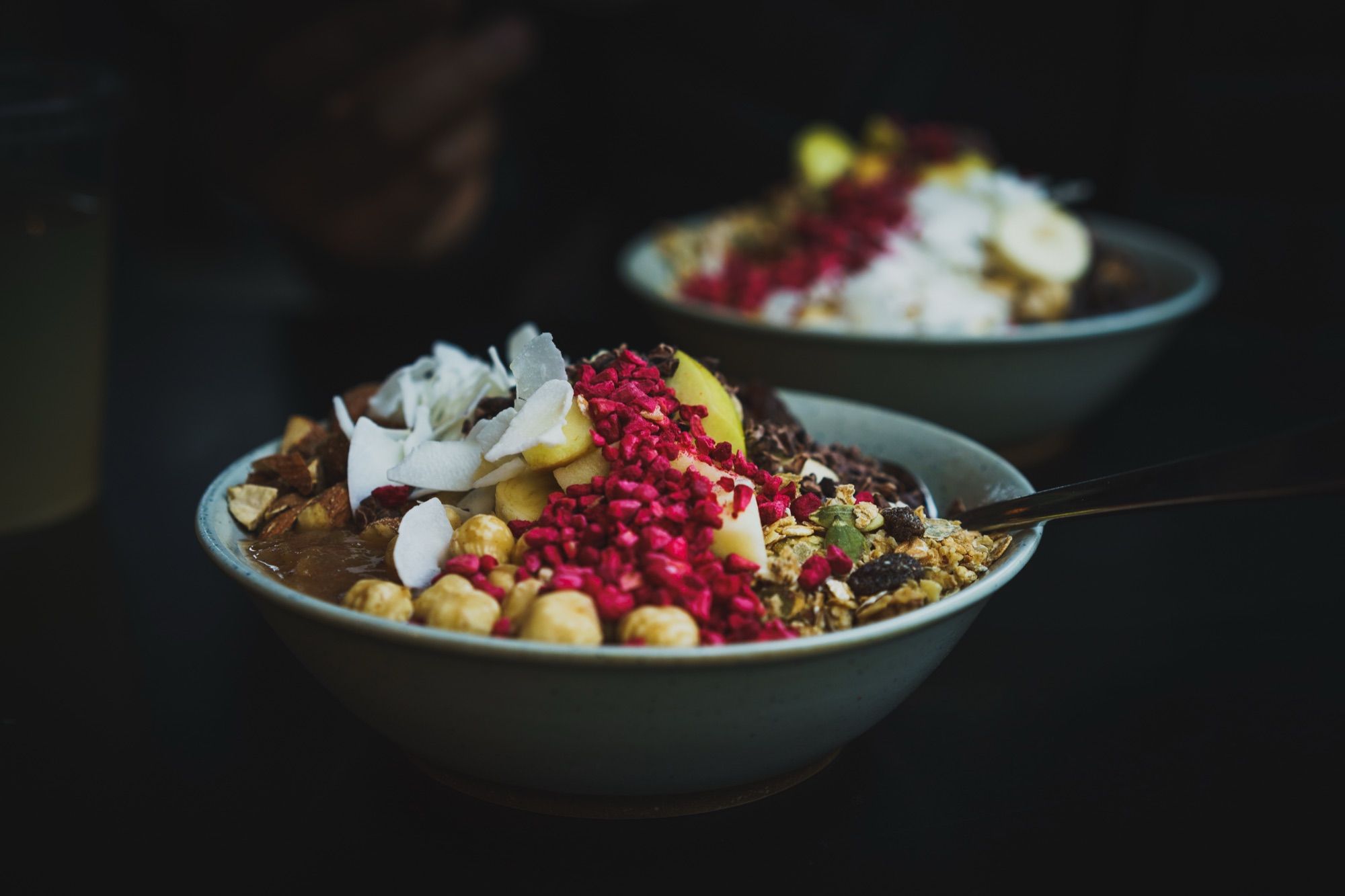
Intermittent fasting? An eight-hour eating window? "Don't eat after 8 pm"? It's probably the question I've been asked most this past year.
So let's set the record straight. Research from the past two years finally lets us say something concrete — and it's less dramatic than you've been promised, but a lot more useful.
What the research did find
Reviews of controlled trials found that eating within a limited time window improves body composition, insulin sensitivity, blood fats and markers of inflammation. Some studies found a benefit even when the groups ate a similar number of calories.
Another finding that keeps coming up: people who eat most of their food earlier in the day tend to do better than those who eat most of it in the evening.
And what it didn't find
Here's the part almost nobody mentions — and I think you deserve to hear it.
A rigorous controlled trial published in 2025 compared an early eating window with a late one, with almost identical calories. The body's internal clock did shift — by about 40 minutes on average — but there was no meaningful improvement in insulin sensitivity or other risk factors.
In other words, when you compare calorie for calorie, much of the benefit attributed to timing fades. The likely explanation is that an eating window works mainly because it makes it easier to eat less — and that's perfectly fine. It's just not the explanation you're being sold.
So what do I suggest?
If you'd like to give it a try, go in with realistic expectations:
- It's a tool for structure, not a metabolic hack. If it helps you eat less without effort — great. If it has you raiding the fridge at 9 pm, it's working against you.
- If anything, earlier is better. A window that opens in the morning and closes in the afternoon looks better in the data than one that starts at noon and runs late into the night.
- Quality comes before the clock. Eight hours of processed food will still leave you short on fiber and protein.
- It's not for everyone. If you're pregnant, taking medication for diabetes, have a history of disordered eating, or are still young, talk to a professional first rather than trying it on your own.
What the research agrees on
If I had to boil it down to one thing nobody disputes: a very late, heavy dinner is the habit most worth changing — simply because it tends to be both the biggest meal of the day and the least nutritious.
Not because something magical happens in your body at 8 pm, but because if you reach the evening starving, you eat very differently than if you'd eaten properly during the day.
The bottom line
Timing is a tool, not magic. If you eat a varied, plant-based diet with enough protein and fiber, you've already done most of the work.
I believe in getting what's on your plate right first — and only then worrying about what time it is.
This article is for general information only and is not nutritional or medical advice.